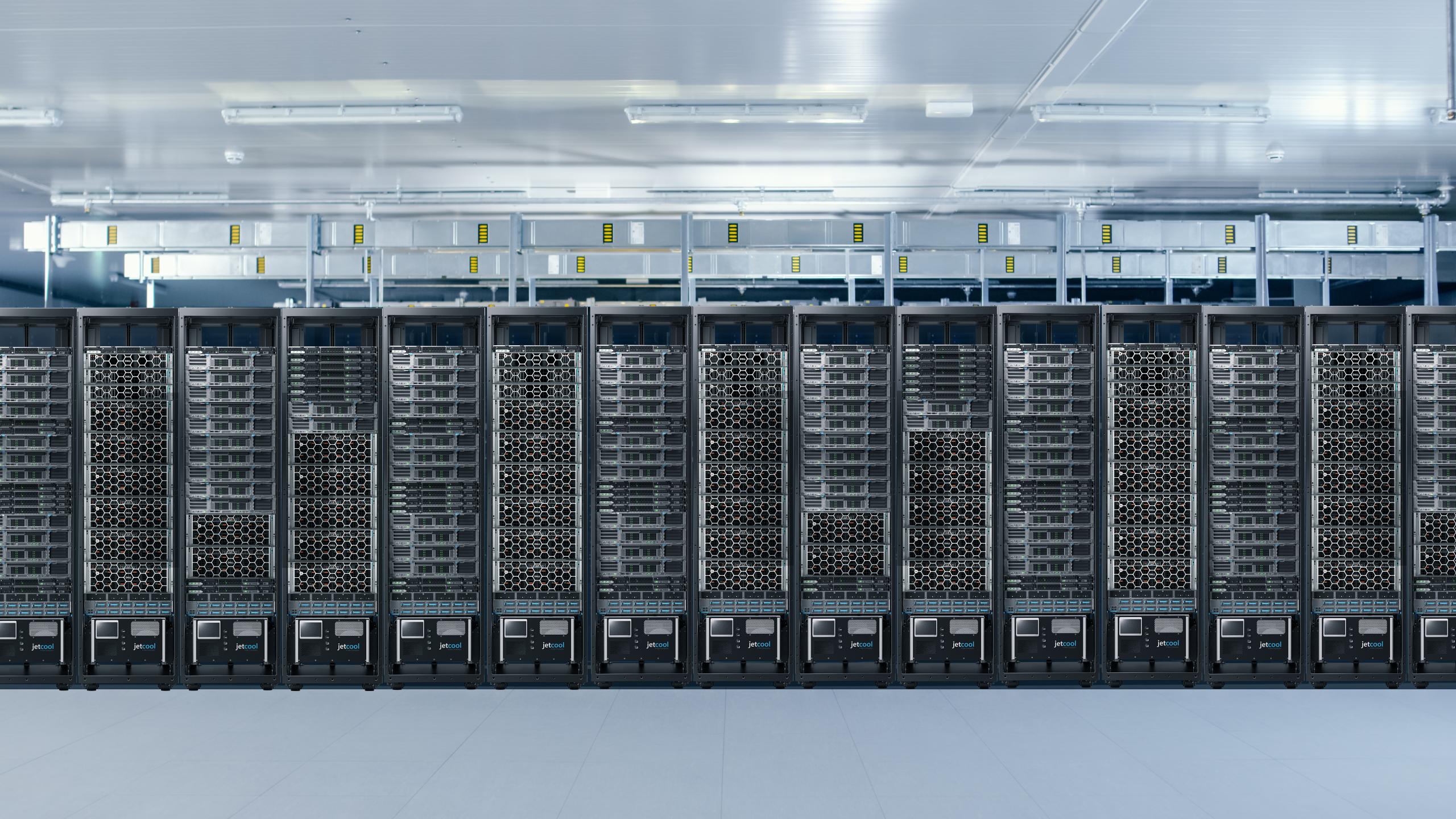
Most data centers were not designed to support today’s compute densities. Enterprise and colocation environments were built around air cooling and rack power levels that are now being exceeded. As higher-power CPUs and GPUs are deployed, operators are being asked to deliver more compute within the same footprint, using infrastructure sized for a very different class of workload.
That shift is accelerating quickly. According to the Uptime Institute Cooling Systems Survey 2025*, rack density continues to rise as operators deploy higher-power systems, with most expecting that growth to continue as AI workloads scale. The result is increasing strain on power and cooling infrastructure already operating close to its limits.
The challenge is no longer understanding the value of liquid cooling. The real question is how to introduce it into a live, space and power-constrained facility without disrupting service.
The Retrofit Reality
For years, the assumption was that supporting next-generation processors required a facility-wide transition that included new plumbing, new cooling loops, and coordinated upgrades across the data center. In practice, that model often collides with operational realities. Downtime risk is difficult to justify, capital budgets rarely align with full infrastructure rebuilds, and existing customer workloads cannot be interrupted.
Industry data reflects that shift in thinking. The Uptime Institute Cooling Systems Survey 2025* found that ease of retrofit into existing infrastructure is the single most important factor when evaluating liquid cooling, cited by 46 percent of operators. For most environments, the question is not whether liquid cooling will be required, but how to introduce it without triggering a facility-level redesign.

Where Air Cooling Reaches Its Limits
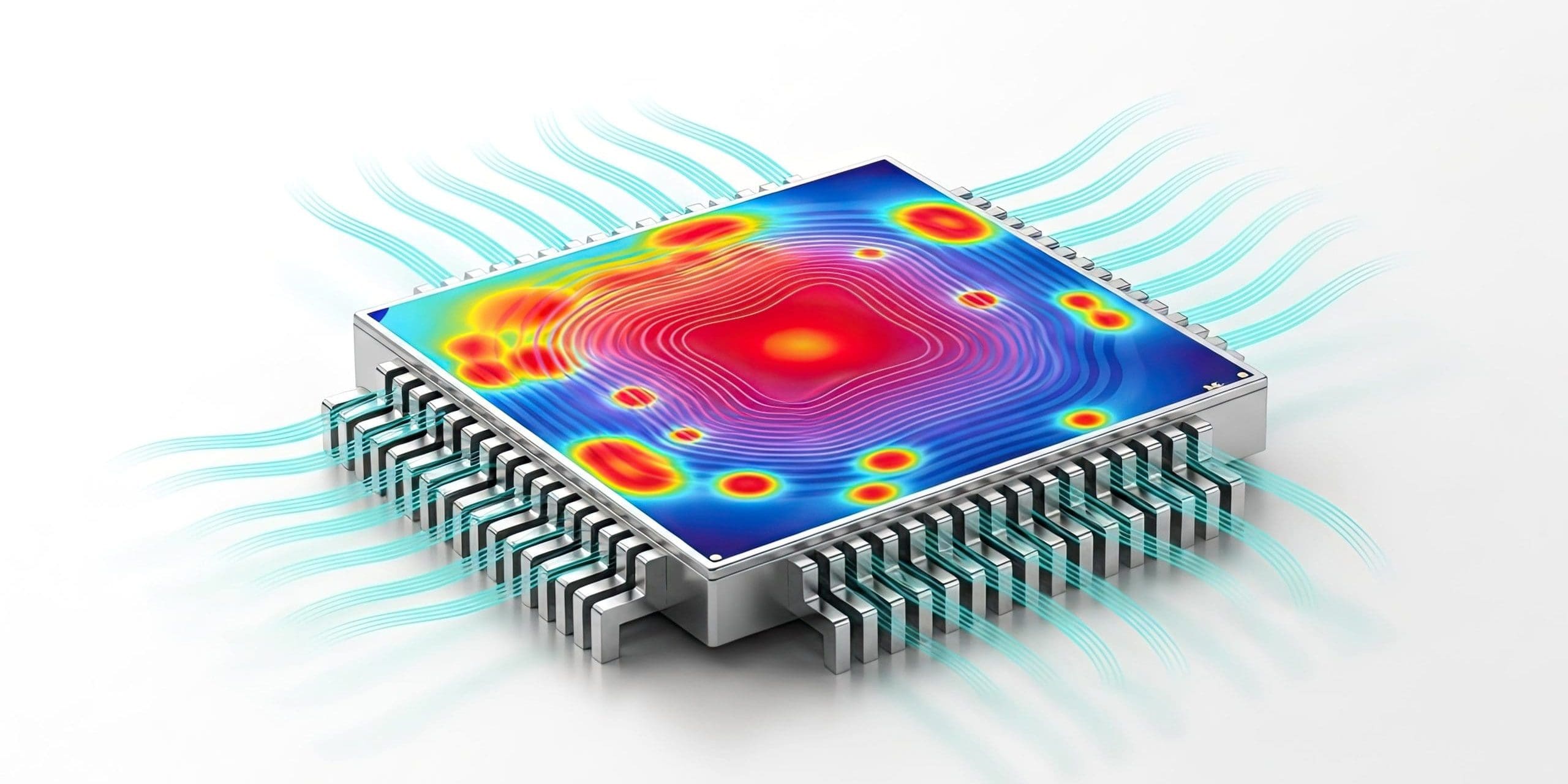
ASHRAE thermal guidance makes clear that nearly all electrical input to IT equipment is converted into heat that must be removed by the cooling system. As power densities increase, conventional air-cooled approaches become more difficult to sustain without advanced airflow management or alternative cooling strategies (ASHRAE TC 9.9 Thermal Guidelines for Data Processing Environments; ASHRAE Datacom Series).
This creates a widening gap between what many existing facilities were designed to support and what modern compute platforms now require.
A Practical Middle Ground: Liquid Assisted Air Cooling
Advances in direct-to-chip liquid cooling and system-level integration have created a more flexible deployment model. Rather than requiring facility-wide liquid infrastructure, cooling can now be applied directly inside the server. Heat is removed from high-power components using liquid, then rejected back into the existing air environment.
This approach, often described as liquid-assisted air cooling (LAAC), is emerging as a practical near-term solution. It allows operators to bridge the gap between legacy environments and future liquid-ready infrastructure without requiring immediate facility upgrades.
Why This Matters Operationally
When cooling is applied at the server level, the scope of change becomes significantly smaller. There is no need to redesign the building or retrofit the entire floor. Systems can be upgraded individually and deployed within existing racks, allowing operators to introduce new capacity without affecting surrounding infrastructure.
This shift also changes how liquid cooling is introduced. Instead of being tied to a major infrastructure project, it becomes part of the normal server lifecycle.
Deployment That Aligns with Existing Operations
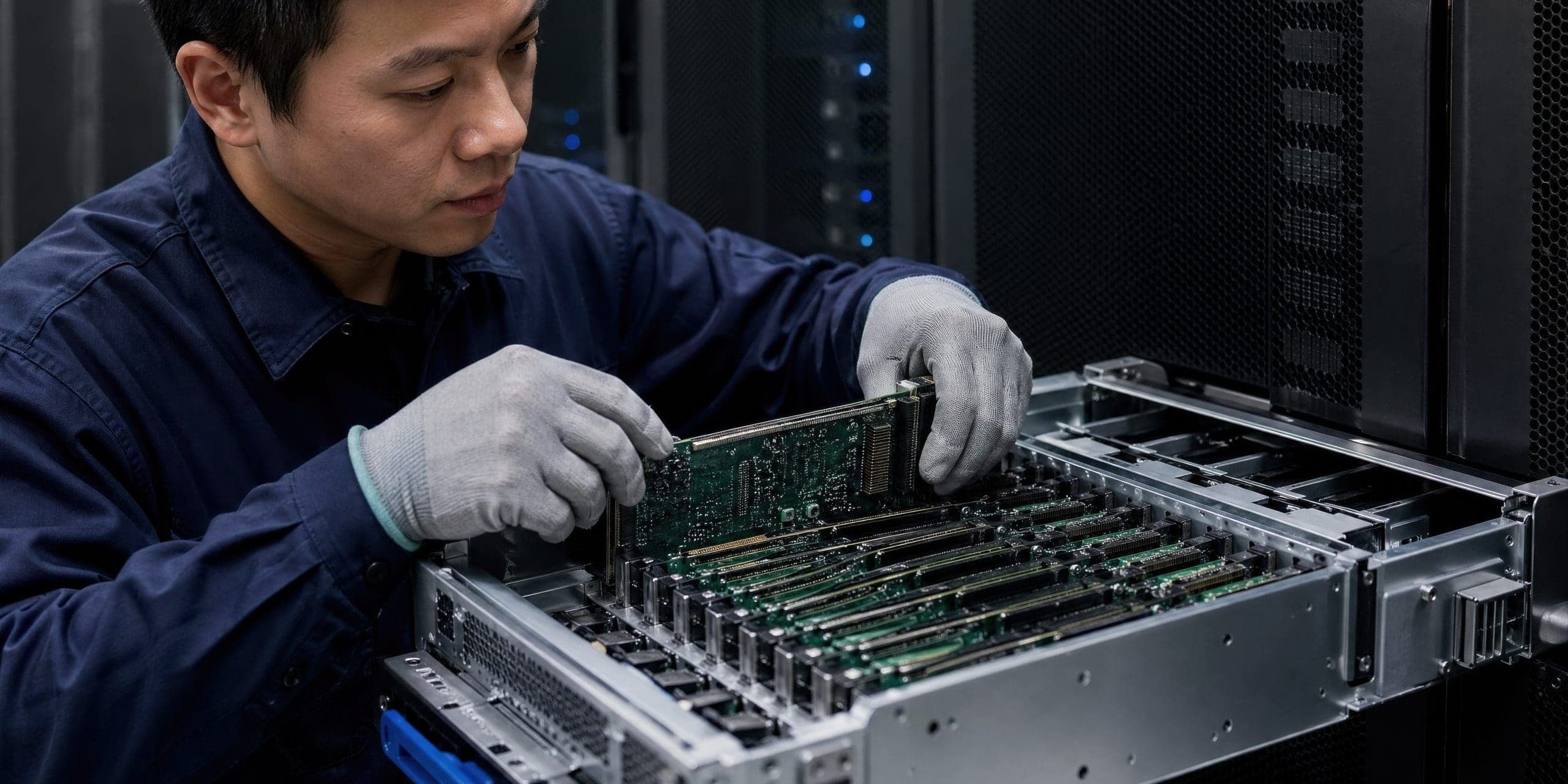
From an operational standpoint, liquid-assisted air cooling fits naturally into existing deployment processes. Installation can be completed during planned maintenance windows or standard server refresh cycles. Factory heat sinks are replaced with liquid-cooled components that fit within the server chassis, and the system is then brought online using familiar procedures.
Importantly, no changes are required at the rack or room level. Adjacent servers and infrastructure remain untouched.
This model directly addresses the retrofit constraints identified by Uptime Institute* and reinforces the growing importance of solutions that integrate cleanly into existing environments rather than requiring large-scale facility redesigns.
Immediate and Measurable Benefits
The benefits of liquid cooling appear immediately at the server level. Improved thermal control reduces dependence on high-speed fans, which become increasingly energy intensive at higher densities. ASHRAE notes that rising thermal loads require higher airflow, with fan energy increasing disproportionately as airflow and pressure demands grow (ASHRAE TC 9.9 Thermal Guidelines for Data Processing Environments; ASHRAE Datacom Series). The Uptime Institute also reports that fan power can represent 10–20% of total server energy in high-performance air-cooled systems.
More stable chip temperatures can also improve performance consistency under load. Systems are less likely to throttle and can operate more predictably at higher utilization levels.
Most importantly, these gains can be realized without waiting for broader facility upgrades.
What Does Not Change
Just as important as what does changes is what stays the same. Because the cooling loop is sealed and contained within the server, there is no new facility infrastructure to maintain. There are no external liquid loops, additional plumbing requirements, or major changes to room-level cooling systems.
Operational risk also remains localized to the server rather than distributed across the facility. Monitoring and management continue to align with existing server-level practices, helping preserve the simplicity of an air-cooled data center while enabling a meaningful increase in supported power density.

A Scalable Path Forward
This approach creates a scaling model that more closely reflects how enterprise and colocation environments actually grow. Capacity can be added where it is needed, systems can be upgraded during normal refresh cycles, and higher-density workloads can be deployed without disrupting the broader environment.
If and when broader liquid infrastructure becomes part of the roadmap, it can be introduced in parallel rather than as a prerequisite.
Rethinking How Liquid Cooling Gets Adopted
Liquid cooling is no longer an all-or-nothing decision tied to a facility overhaul. Rising rack densities, increasing power consumption, and growing AI-driven compute demands are forcing operators to rethink how cooling is deployed.
Data from organizations like Uptime Institute* and AFCOM** points to the same conclusion: operators need solutions that integrate into existing environments while supporting incremental growth.
Liquid-assisted air cooling addresses that need directly. It allows operators to solve immediate thermal challenges inside the server, extend the life of existing facilities, and create a practical path toward higher-density compute.
Liquid cooling no longer requires a facility rebuild. It can now be introduced one system at a time, inside the environments that already exist.
Citations:
* Uptime Institute report, “DLC Adoption Remains Slow and Steady”, July 30, 2025
** AFCOM report, “2025 State of the Data Center Report”, January 30, 2025