
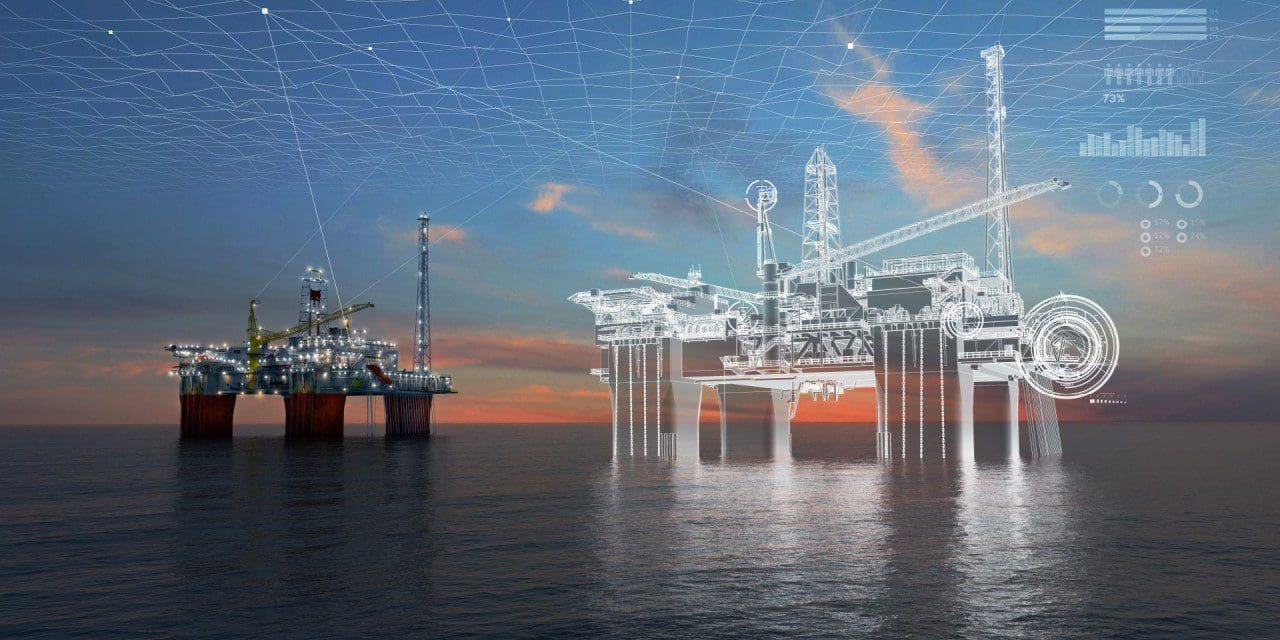
Understanding Digital Twins and Their Importance
What is a digital twin, and why is liquid cooling for digital twins a critical technological advancement?
A digital twin is essentially a virtual, 3D replica of a real-world object, system, or process—a digital counterpart that mirrors the physical entity. We’re familiar with digital versions of reality, such as CGI and the metaverse. However, a digital twin differs because it’s meant to accurately, and precisely represent something real. It’s created using data that can come from various sources, including design specifications, sensor readings from the physical object, and historical information on how it operates. Once the data is gathered, 3D modeling techniques, are used to create the digital twin. It would be one thing if digital twins were static virtual objects or systems or environments. However, the key thing about digital twins is that they are constantly updated with real-time data. They reflect the actual state of the physical thing they represent, more or less in real-time.
To handle the intense computational demands and ensure the longevity and efficiency of these digital models, liquid cooling systems are often integrated. This cooling method is essential as it helps manage the heat generated by the continuous processing of real-time data, thereby maintaining the operational integrity of the digital twin.
The Expanding Role of Digital Twins Across Industries
Digital twins provide a revolutionary approach for scientists, engineers, researchers, and administrators to analyze and interact with complex systems without physical intervention. This innovative technology is utilized across various domains to increase efficiency and effectiveness. The global market for digital twins is projected to reach $240.3 billion by 2035, growing at a CAGR of 41% during the forecast period from 2024 to 2035, indicating a surge in adoption and value recognition.
These advanced digital models require robust computing power, as the size and complexity of the system being modeled can demand extensive resources, including high-performance GPUs and vast amounts of storage.
Here are some key applications of digital twins:
- System Analysis: Digital twins offer a profound understanding of how systems or environments operate, allowing stakeholders to gain insights into intricate processes without direct interaction.
- Simulation for Design and Testing: By simulating different scenarios, digital twins facilitate the design of new products, the testing of maintenance strategies, and the prediction of potential failures. This predictive capability is invaluable for preemptive troubleshooting and enhancing system reliability.
- Performance Monitoring: Continuous monitoring of system health and performance via digital twins helps in the early detection of issues, averting expensive downtimes and prolonging system availability.
- Operational Optimization: Digital twins are pivotal in optimizing key performance metrics such as energy consumption and maintenance schedules, thus reducing operational costs and extending the lifespan of the equipment.
- Advanced Diagnostics with Computational Fluid Dynamics (CFD): DC Digital Twins integrate detailed modeling with CFD solvers to expose underlying issues in data center cooling systems. This integration ensures that cooling solutions are thoroughly evaluated and optimized before their actual deployment, guaranteeing efficiency and efficacy in real-world operations.
As the digital twin technology continues to evolve, its impact on industries and systems worldwide is becoming increasingly profound, promising even greater advancements and efficiencies in the years to come.
Digital Twins Transform Global Industries: From Climate Forecasting to Custom Car Manufacturing
Digital twins are becoming a game-changing technology for all sorts of applications, from manufacturing to data center operations, network planning, and Smart Cities. A notable example is NVIDIA’s Earth-2 Climate Digital Twin, a global climate and weather digital twin that will drastically improve weather forecasting and climate predictions. Additionally, in collaboration with NVIDIA, BMW Group utilized NVIDIA’s Omniverse platform to create virtual factories for custom manufacturing. According to NVIDIA’s website, this innovation addresses the complexities of producing 2.5 million customized cars annually, enabling BMW to optimize production workflows in real time and maintain competitiveness.
Digital twins aren’t just a buzzword. They’re the latest tool for coping with complex infrastructure and systems at scale.
Scaling Challenges and Cooling Demands of High-Performance Digital Twins
There’s only one problem with them. The larger the digital twin, the more data it uses, and the more compute-intensive it is. A real-time digital twin of, let’s say a 500-megawatt data center, can’t be run on a laptop. It would require a data acquisition system of thousands of sensors, a high-performance computing cluster, petabytes of storage, very high-performance interconnects, and specialized GPUs to maximize floating-point calculations and 3D modeling.
All this hardware generates heat. The latest processors, using between 500W (Intel Sapphire Rapids, AMD Genoa, etc.) and 1200W (NVIDIA Blackwell), produce so much heat that conventional data center cooling technologies can’t keep up. It’s not only increasingly difficult to keep servers cool with air, but air is also an inefficient way to cool hardware, resulting in higher electricity costs and more wear and tear on chips and servers.
Liquid Cooling: A Necessary Evolution for Digital Twins Infrastructure
The industry is moving toward liquid cooling to support the intensive infrastructure needed for digital twins. A few weeks ago, NVIDIA announced that their SuperPod architecture for a Blackwell-based supercomputer, ideal for building and running digital twins, will be liquid-cooled. For the first time, NVIDIA publicly admitted that, at least for their highest-performance chips, liquid cooling is a necessity. Liquid cooling brings:
- Enhanced Energy Efficiency: Liquid cooling minimizes energy consumption by efficiently dissipating heat, contributing to a greener and more sustainable edge computing ecosystem.
- Compact Infrastructure: Liquid cooling solutions are often more compact than traditional air-cooling systems, making them ideal for edge computing environments where space is at a premium.
- Extended Hardware Lifespan: By maintaining optimal operating temperatures, liquid cooling can extend the lifespan of computing hardware, reducing the frequency of replacements and associated costs.
So what does this mean for those interested in building digital twins?
It means that it’s time to evaluate liquid cooling. Our last post spells out the pros and cons of different technologies, going deep into alternatives. Given the limitations of traditional air-based cooling systems, the industry is progressively adopting liquid cooling as the favored method to address the thermal demands of digital twins. Single-phase direct liquid cooling (DLC) stands out, offering enhanced energy efficiency, more compact system infrastructure, and straightforward deployment and maintenance compared to other liquid cooling options. Let’s dive into a market example of how JetCool’s direct liquid cooling technology’s SmartPlate System solution is a popular choice for digital twins in the oil & gas market because of its efficiency and performance benefits even in harsh environments.
Market Example: Liquid Cooling Digital Twins for the Oil & Gas Industry
Digital twins in the oil and gas sector model complex geological and operational data, requiring substantial computational power and generating significant heat. Traditional air cooling methods are often inadequate for such intense applications due to their limited cooling capacity and larger energy consumption. Liquid cooling, however, directly addresses these challenges by providing superior heat dissipation, maintaining optimal performance of computing hardware under rigorous conditions.
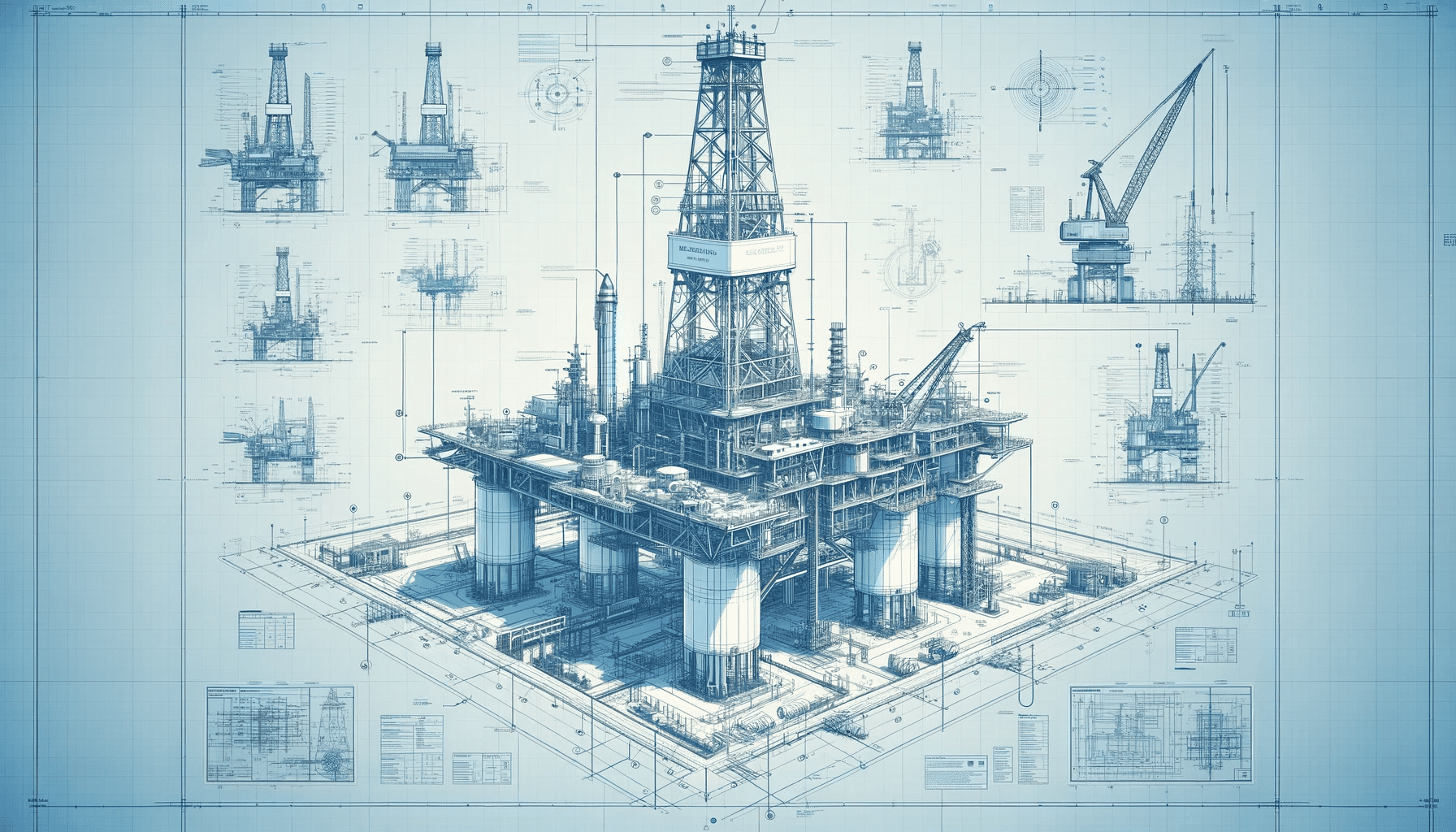
JetCool's Liquid-Assisted Air Cooling: The Optimal Entry Point for Oil and Gas
JetCool’s patented single-phase direct liquid cooling (DLC) technology, built into their SmartPlate System, offers a seamless transition to advanced cooling technologies for the oil and gas industry. Designed to be compatible with high-performance servers like Dell’s PowerEdge series, this technology supports the latest Intel and AMD chipsets, enabling oil and gas companies to effortlessly enhance their computing infrastructure.
Here’s why JetCool's solution is particularly suited for the oil and gas industry’s digital twin applications:
- Effortless Upgrade and Integration: JetCool’s systems allow for easy upgrades without the need to alter existing server setups. This plug-and-play approach means that energy companies can adopt the latest in cooling technology without needing to modify their facilities or invest in new infrastructure.
- Reduced Power Consumption: By optimizing cooling efficiency, JetCool’s liquid cooling systems can reduce total IT power consumption by up to 15%. This not only lowers operational costs but also aligns with the industry’s growing emphasis on sustainability.
- Simplified Maintenance: The self-contained design of JetCool’s cooling solutions eliminates the complexities of traditional liquid cooling setups, such as external piping and plumbing. This simplification reduces potential points of failure and maintenance demands, which is crucial in remote or harsh environments typical in the oil and gas industry.
- Space and Energy Efficiency: The compact nature of JetCool’s systems makes them ideal for the spatial constraints often found in oil and gas facilities. Additionally, the enhanced energy efficiency helps manage the extensive computational demands of digital twins without compromising on performance.
JetCool’s liquid-assisted air cooling for Dell servers provides a straightforward, efficient, and effective cooling solution for companies in this sector to leverage the full potential of their digital twins, ensuring robust, continuous operation even under the most demanding conditions.
Empowering Future Innovations
The convergence of digital twins and liquid cooling represents a significant opportunity for organizations to unlock new levels of innovation and efficiency. JetCool’s direct-to-chip liquid cooling not only addresses the immediate cooling needs of today’s hottest chips but also lays the foundation for future advancements in computing hardware. With the capacity to support multiple generations of increasingly powerful and dense chips, JetCool’s solution ensures long-term scalability and efficiency for digital twin deployments. By deploying self-contained liquid cooling solutions like JetCool’s, businesses can harness the full potential of digital twins without compromising on performance or scalability.